Track 01 • Live Session
Still in Love with You
This song was recorded live in a single take—capturing the raw, unedited feel of the room from start to finish.

Press play on any track below to listen directly in your browser.
This song was recorded live in a single take—capturing the raw, unedited feel of the room from start to finish.
Before our son was born, my wife and I went through several miscarriages, so I wrote this song to cheer her up and not lose hope.
Just a simple song I wrote for our church worship team. Nothing fancy musically, though the lyrics turned out alright.
Guitar lends itself naturally to box shapes and familiar patterns. Sightreading horn transcriptions on guitar is one of the best ways to break through plateaus and learn how jazz soloists target chord tones.
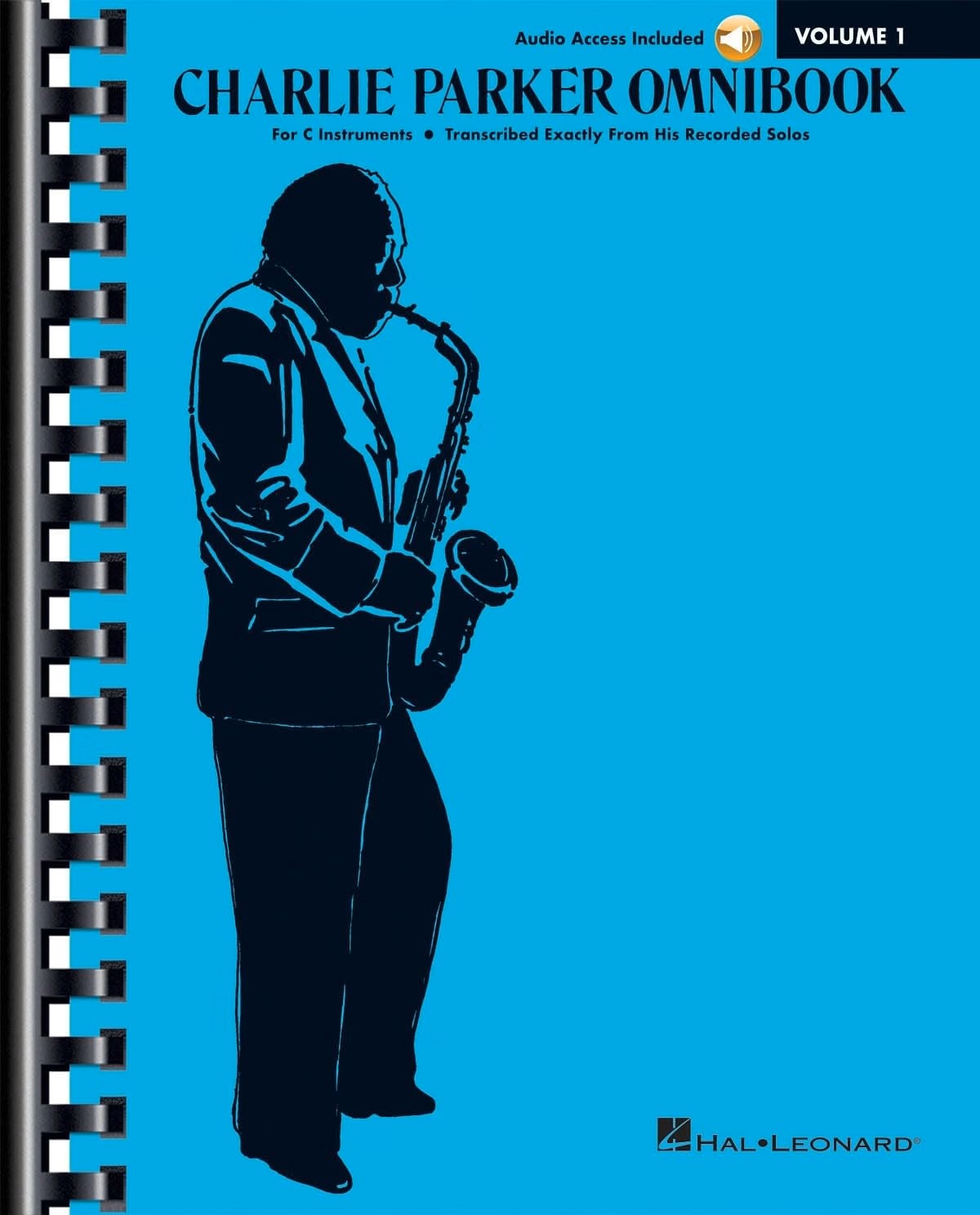
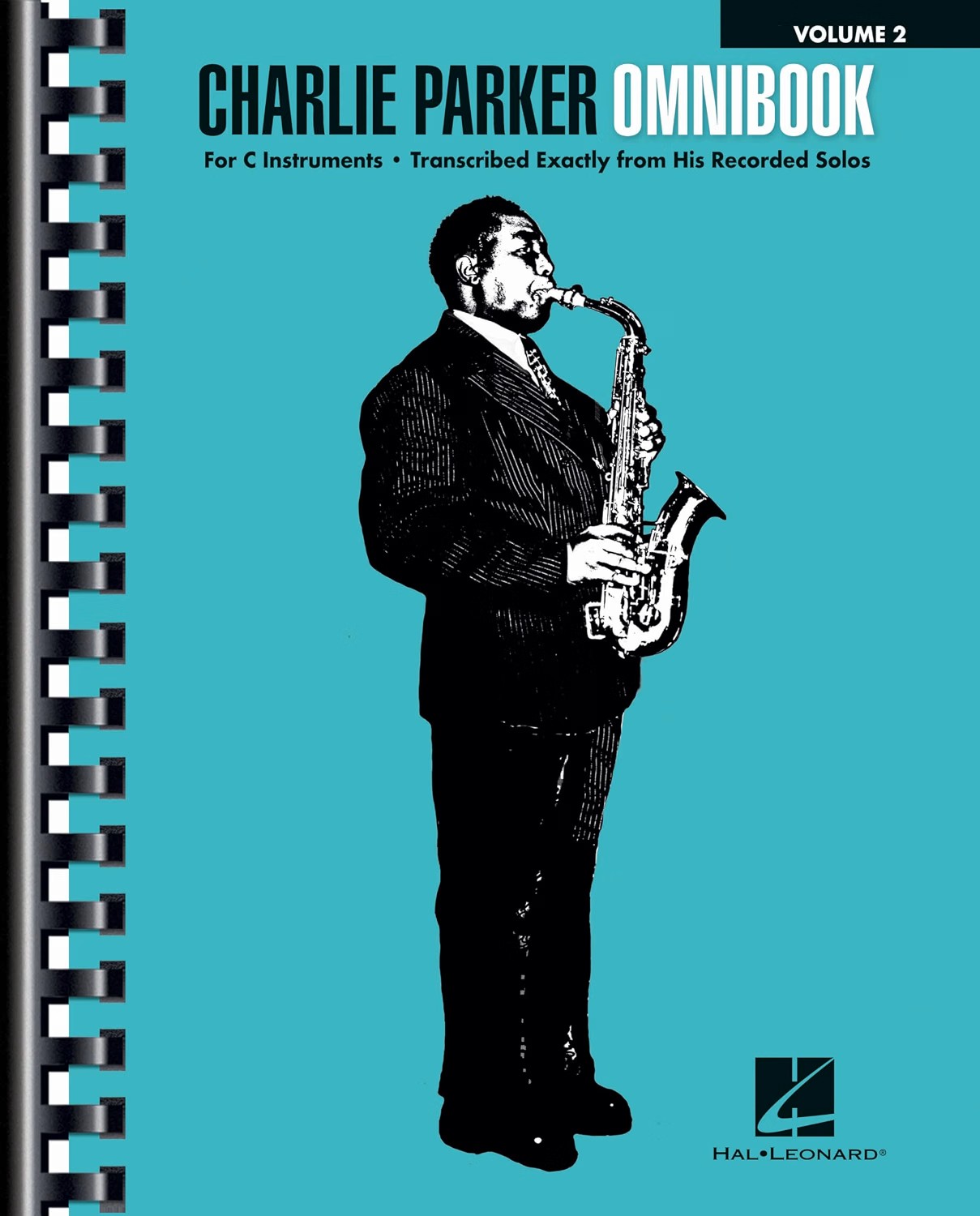

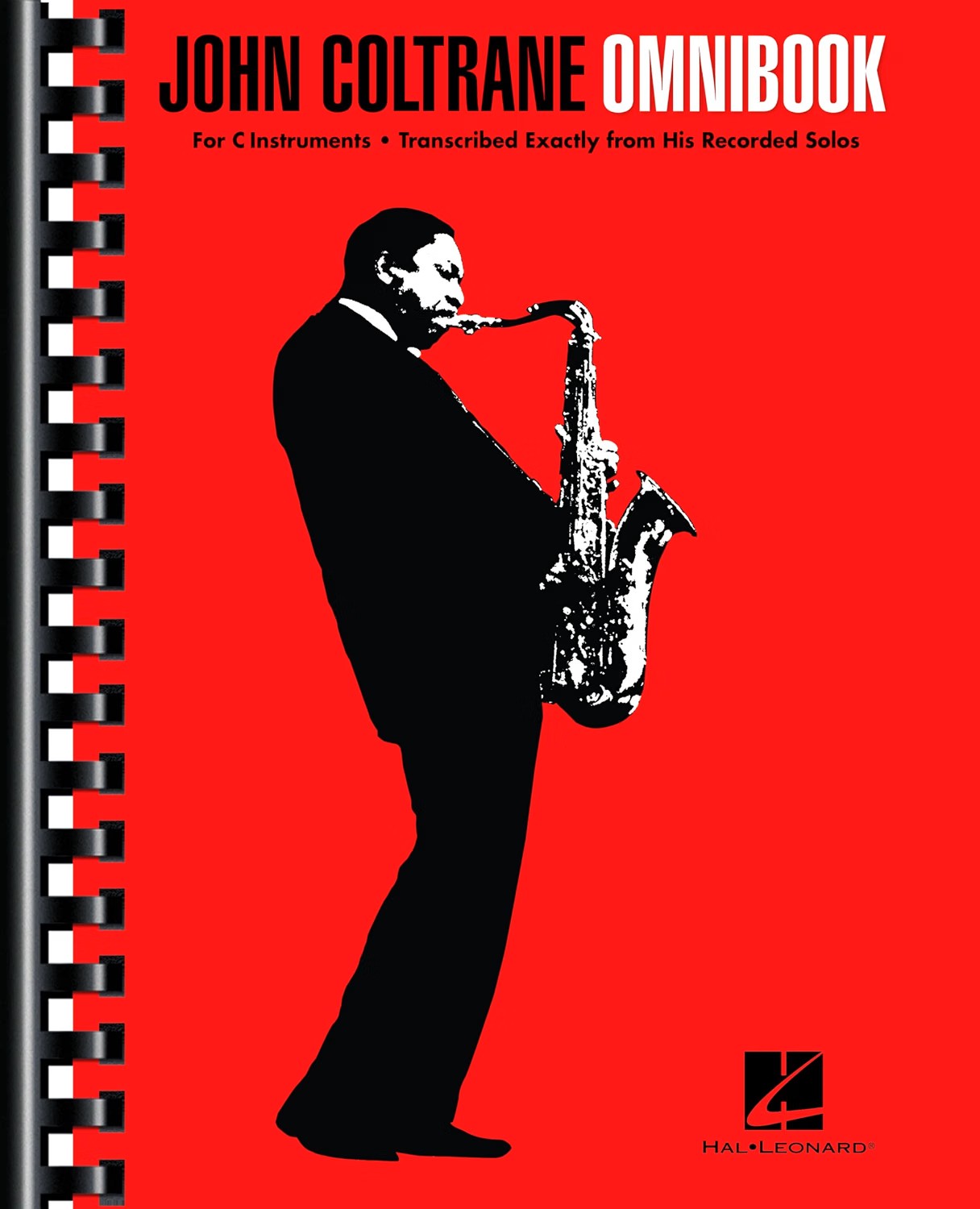
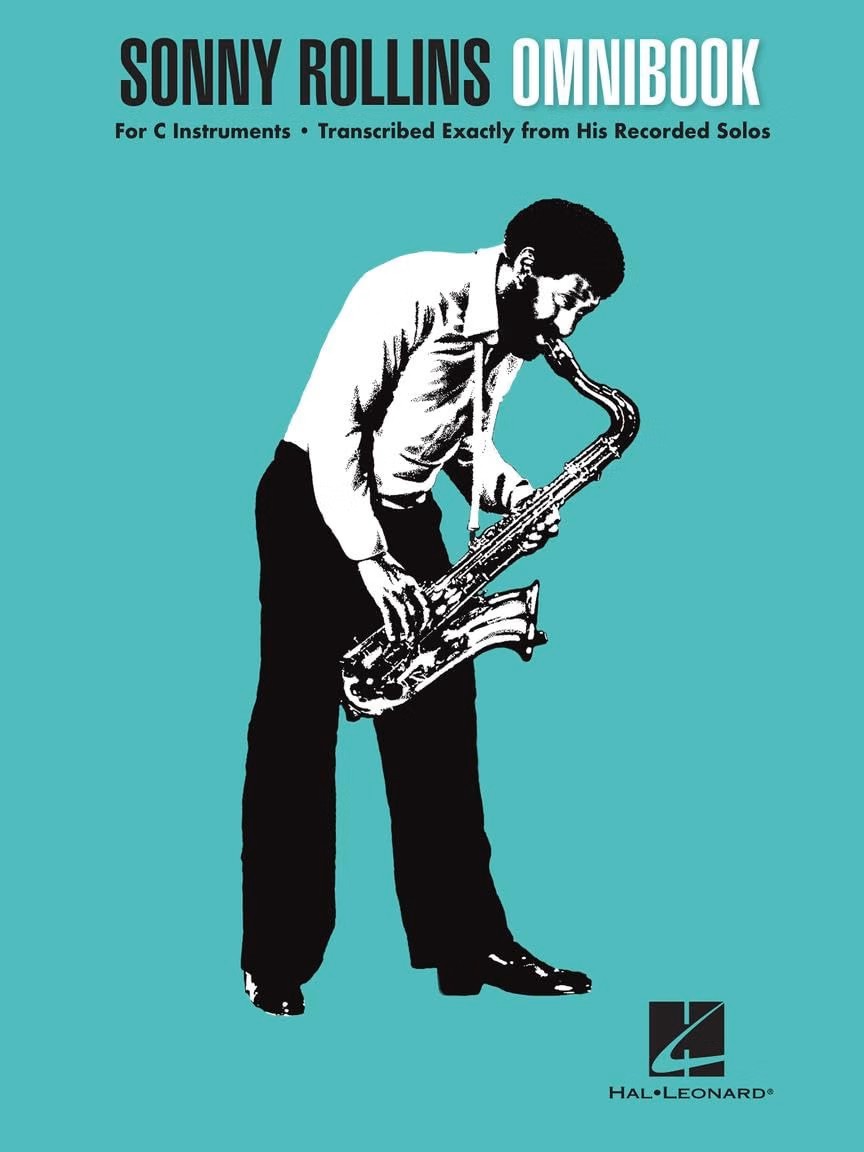
I started playing guitar at age 10 and eventually moved to Los Angeles to study at the Grove School of Music, where I was fortunate to graduate on the Dean’s List with a 4.0 GPA. Over roughly 20 years of playing professionally—including studio work, cover bands, and an endorsement from Gibson USA—I learned a great deal, though I never reached commercial stardom and eventually decided to pursue other chapters in life.
Picking up the guitar at age 10 and discovering how chords, melody, and rhythm fit together.
Taking formal lessons, developing ear training, and listening closely to jazz and horn players.
Relocating to Los Angeles and gaining stage experience across a wide range of local bands.
Focused study in harmony, arranging, and sightreading, graduating on the Dean’s List with a 4.0 GPA.
Playing cover gigs and studio sessions while working day jobs to pay off student loans and credit card debt—before stepping away from paid gigs to focus on family, career, and volunteer church music.
Wouldn’t it be nice to just learn all the notes on the fretboard once and for all, and then never have to think of it again?
The purpose of this exercise is to learn every note on every fret and every string, one string at a time.
Earn these skills now – enjoy the benefits forever.
Repeat this exercise for 7–10 days, first thing in the morning and last thing before bed. At first, this exercise may take as long as 30 minutes to complete, but when you get the hang of it, you should be able to complete it within 5–10 minutes. If done correctly, this exercise should revolutionize your improvising and sightreading skills.